Community Trade Initiative: Example Sourcing Finds
Indicative products, materials, and price ranges our local Moroccan team may be able to identify through responsible sourcing.
Oils & Food Products | Cosmetics & Hammam Products | Furniture | Fabrics & Textiles | Lamps & Lighting | Rugs
Oils & Food Products
Morocco has long traditions of olive oil, argan oil, dates, spices, preserved foods, and regional specialty products. Many of these products come from small farms, family producers, and local co-operatives that rarely have direct access to international buyers. Through the Community Trade Initiative, our local team can help identify smaller producers and trusted local sources, helping buyers access authentic Moroccan products while supporting the people and communities behind them.
Natural Cosmetics & Hammam Products
Moroccan hammam and natural body-care products are often made using traditional ingredients such as cosmetic argan oil, black soap, rose water, ghassoul clay, and natural soaps. In many areas, women’s co-operatives and small workshops play an important role in producing, preparing, and packaging these products, yet they often receive only a small share of the final retail value. Our aim is to help create fairer sourcing routes that support these local producers while giving responsible buyers access to genuine Moroccan wellness products.
Furniture
Moroccan furniture is often handmade by skilled craftspeople working with wood, leather, metal, and traditional finishing methods. These pieces may pass through several layers of dealers before reaching international showrooms, increasing prices while reducing the value received by the makers. Our local team can help source furniture closer to the workshop or local supplier level, including tables, stools, benches, cabinets, leather chests, carved pieces, and custom-made items.
Fabrics & Textiles
Moroccan textiles are part of a deep craft tradition, with weaving, embroidery, dyeing, and fabric work often carried out by small workshops, families, and women-led groups. These products can include throws, pillows, blankets, upholstery fabrics, decorative textiles, and handwoven materials. By sourcing closer to the people producing the work, the Community Trade Initiative can help buyers find more distinctive pieces while supporting local makers more directly.
Lamps & Lighting
Moroccan lamps and lanterns are known for their handworked metal, brass finishes, pierced patterns, and distinctive light effects. Many of these pieces are produced in small workshops by artisans whose work is later resold through larger retail and export channels. Our local team can help identify lighting at a more local level, including lanterns, wall sconces, hanging lamps, brass lighting, and custom decorative pieces, while helping reduce unnecessary intermediary markup.
Rugs
Moroccan rugs are one of the strongest examples of local craft value being multiplied through global resale. Rugs such as Beni Ourain, Kilim, Azilal, Boucherouite, flatweaves, and vintage pieces may be woven or traded locally for modest amounts before being sold internationally at much higher prices. Many rugs are connected to rural communities, women weavers, family traders, and independent dealers. Our role is to help responsible buyers source closer to the origin, with better transparency and fairer value for local participants.
Antiques & Architectural Pieces
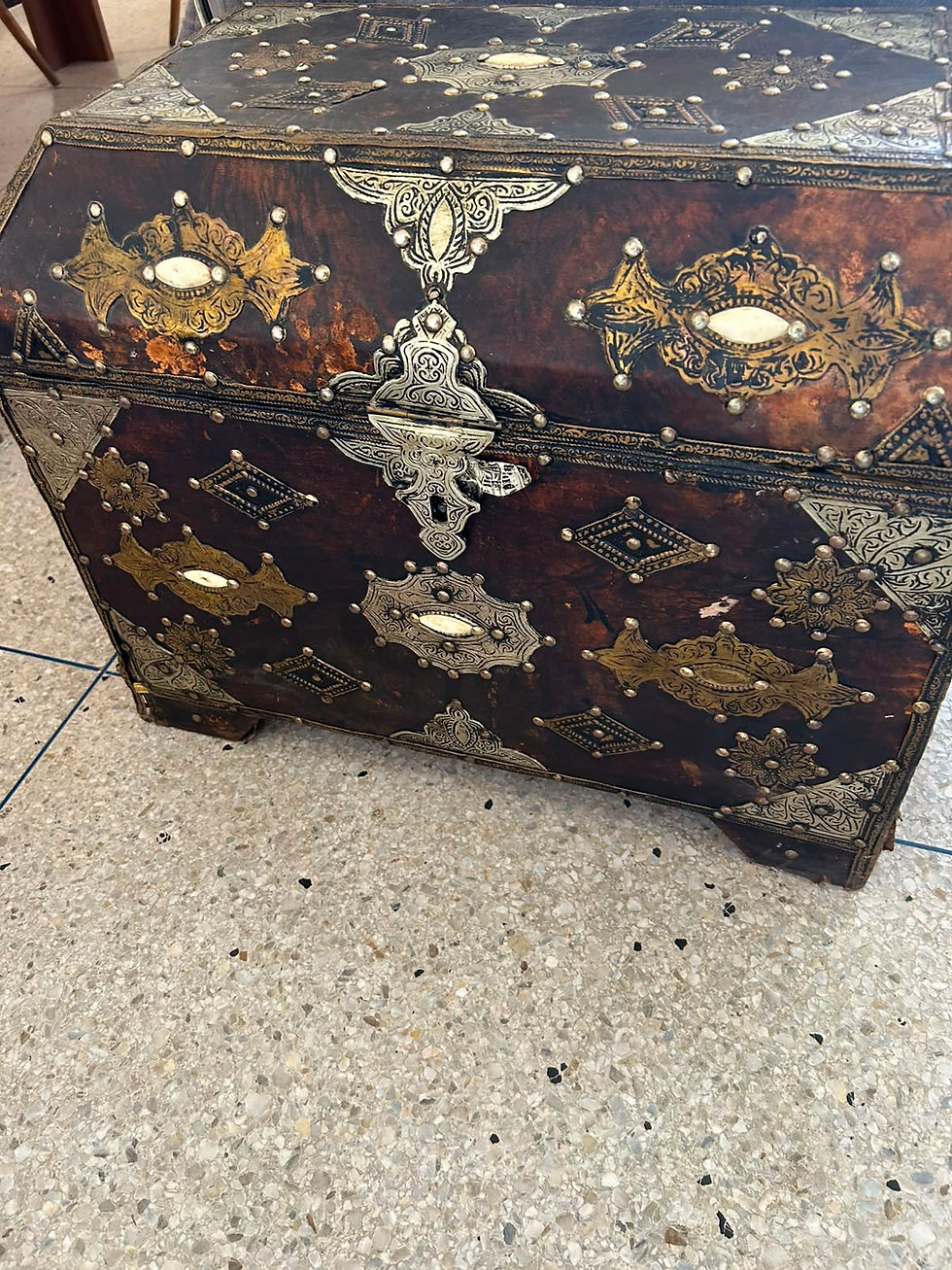
Morocco has a rich supply of antique furniture, doors, carved wood, architectural salvage, restored pieces, old chests, metalwork, and decorative objects. Many small traders and preservation-focused dealers work hard to find, restore, and protect these items, but often earn very little before pieces move into larger specialty shops or export channels. Through our local network, we may be able to help source antiques and architectural pieces at a more local level, while supporting the people preserving and trading these materials.
Handmade Artisan Goods
Beyond the main categories, Morocco offers a wide range of handmade artisan goods including ceramics, baskets, leather goods, brassware, olive wood, pottery, mirrors, decorative objects, and small-batch craft items. These products are often made by skilled individuals, family workshops, and local craft communities that depend on regular orders and fair buyer relationships. The Community Trade Initiative is designed to help create practical commercial opportunities for these makers while giving independent boutiques and responsible buyers access to authentic, locally sourced Moroccan goods.




Custom Sourcing & Responsible Procurement
The categories above are examples of the types of products our local Moroccan team may be able to identify, but the Community Trade Initiative is not limited to a fixed list. If a buyer is looking for a specific product, material, custom piece, supplier relationship, or small-batch production opportunity, our team can review the request and explore what may be available through local producers, workshops, traders, co-operatives, and independent suppliers.
Our approach to sourcing is based on responsibility, transparency, and respect for local communities. We aim to source as close to the people doing the real work as possible, reduce unnecessary intermediary layers where practical, and support fairer commercial outcomes for local participants. At the same time, we work to protect buyers by providing clear communication, photos, video checks where appropriate, pricing confirmation, supplier coordination, and practical support with packing and freight.
This is not mass procurement and it is not anonymous commodity sourcing. It is a community-focused sourcing route designed to help responsible buyers access authentic Moroccan products while supporting the people, skills, and local networks behind them.